
Digital Orthodontics
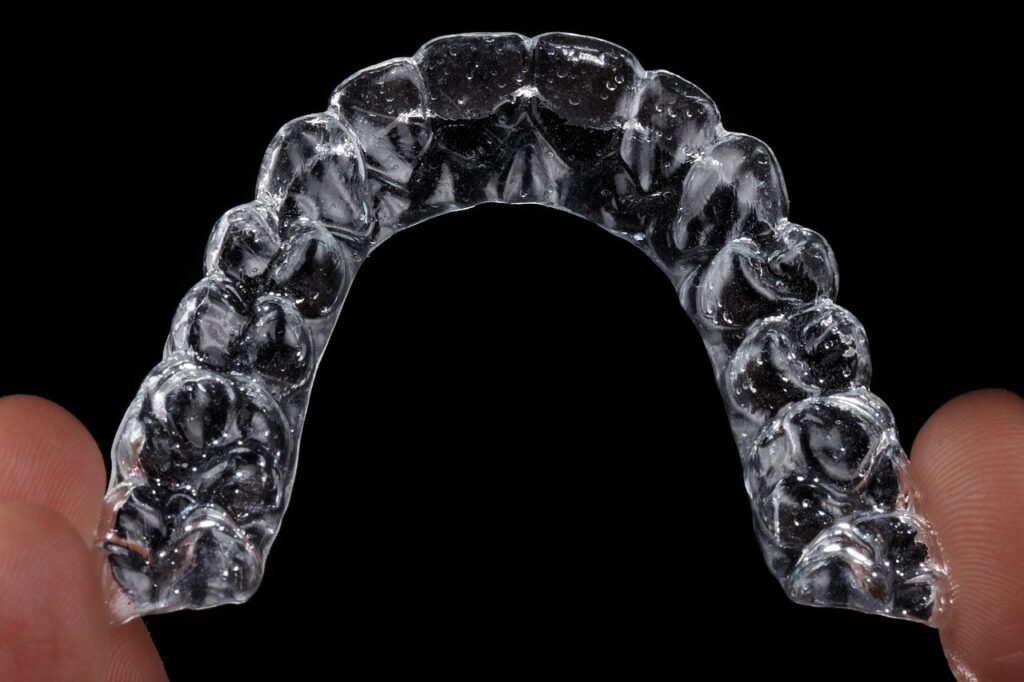
Introduction to Digital Orthodontics
Digital orthodontics represents a transformative approach in the field of dentistry, enhancing the way orthodontic treatments are planned and executed. Unlike traditional methods that heavily rely on physical impressions and manual adjustments, digital orthodontics utilizes advanced technologies to streamline treatment processes and improve patient outcomes. The incorporation of digital tools allows orthodontists to design precise, customized treatment plans that cater to the unique anatomical features of each patient.
The significance of digital orthodontics lies in its ability to facilitate more accurate diagnostics and treatment planning. Technologies such as 3D scanning and computer-aided design enable clinicians to visualize orthodontic relationships and simulate treatment results before any intervention occurs. This not only enhances the aesthetic appeal of the proposed treatment but also allows for better communication with patients regarding their expected outcomes. Moreover, the integration of digital platforms reduces the number of office visits necessary, thus increasing efficiency for both the practitioners and their patients.
Rapid technological advancements have ushered in an era where tools like clear aligners, digital workflows, and predictive modeling are becoming commonplace in orthodontic practices. These innovations not only augment the orthodontist’s capacity to deliver precise treatments but also enhance overall patient satisfaction. Patients are often more comfortable with non-invasive digital methods compared to conventional techniques, which may involve discomfort and lengthy appointments. Additionally, digital orthodontics provides clinicians with the ability to monitor treatment progress remotely, making it easier to adjust treatment plans in real-time if necessary.
This blog post will explore four of the most influential innovations in digital orthodontics that have emerged in 2025, highlighting their contributions to the evolving landscape of orthodontic care. The transition toward a more technologically focused approach not only optimizes clinical efficiency but also significantly enhances the patient experience.
Innovation 1: 3D Printing in Orthodontics
In recent years, 3D printing technology has emerged as a transformative force in the field of orthodontics. The ability to create custom dental appliances and aligners tailored to individual patient needs has revolutionized treatment planning and execution. This innovation allows orthodontists to develop precise, individualized treatment strategies that enhance patient outcomes and satisfaction.
One of the key benefits of 3D printing in orthodontics is the significant reduction in the time required to fabricate dental devices. Traditional methods often involved lengthy processes, including multiple appointments for impression taking, model fabrication, and adjustments. In contrast, 3D printing enables the creation of models and appliances within a matter of hours. This rapid production capability allows orthodontists to implement treatment plans more efficiently, minimizing the overall time patients must spend in the orthodontic office.
Additionally, the precision of 3D printed materials has been shown to enhance the effectiveness of orthodontic devices. Custom aligners that fit better can lead to faster treatment times and improved outcomes. Studies have demonstrated that orthodontic aligners produced through 3D printing can achieve results comparable to those created using traditional manufacturing methods, while also being more comfortable for patients due to their exact fit.
The cost-effectiveness of 3D printing is another notable advantage. By reducing the labor and material costs associated with traditional orthodontic appliance fabrication, 3D printing presents an economically viable option for both practitioners and patients. This democratization of access means that high-quality orthodontic solutions can be offered at more affordable prices, widening access to treatment.
In summary, 3D printing technology has undeniably reshaped orthodontic practices, enhancing treatment efficiency, accuracy, and affordability. Ongoing research and clinical trials continue to affirm the efficacy of 3D printed devices, cementing their status as a cornerstone of modern orthodontic care.
Artificial Intelligence in Treatment Planning
The application of artificial intelligence (AI) in orthodontics has heralded a significant shift in treatment planning methodologies, facilitating the creation of personalized patient care solutions. AI algorithms can efficiently analyze vast datasets gathered from patient scans, historical clinical records, and demographic information. This comprehensive analysis allows for advanced predictive modeling, which can identify potential treatment outcomes more accurately than traditional methods.
A key advantage of utilizing AI in treatment planning is its ability to simulate various orthodontic strategies before actual implementation. By visualizing different approaches through advanced treatment simulations, clinicians can gauge which options might yield the best outcomes for their patients. This form of augmented decision-making not only enhances the clinician’s confidence but also fosters a collaborative environment where patient preferences and clinical recommendations align more closely.
Recent research has shown the effectiveness of AI-driven approaches in orthodontics, demonstrating notable improvements in treatment efficiency and patient outcomes. Studies reveal that AI systems, when integrated into clinical workflows, can lead to a reduction in treatment times while maintaining or even improving the accuracy of tooth movement predictions. As a result, these innovations promise to enhance patient satisfaction by providing more predictable results and reducing the frequency of adjustments required during treatment.
Moreover, AI’s capacity for continuous learning means that as more data becomes available, its algorithms can refine and adapt to emerging trends in orthodontic care. This not only streamlines the treatment planning process but also allows for the progressive enhancement of treatment protocols based on evidence-based practices. Consequently, it is evident that artificial intelligence is playing an increasingly pivotal role in orthodontic practices, underpinning a transformative approach to treatment planning that prioritizes personalized, efficient, and effective patient care.
Teledentistry in Orthodontic Follow-ups
Teledentistry has emerged as a significant innovation in orthodontics, particularly in the context of follow-up appointments and patient monitoring. This approach enables orthodontic professionals to conduct remote consultations, which can greatly enhance accessibility for patients, especially those living in remote areas or those facing mobility challenges. By using telecommunication technologies, orthodontists can monitor their patients’ progress and address any concerns without requiring an in-person visit.
One of the most compelling advantages of teledentistry is its ability to minimize the necessity of frequent office visits. Traditionally, orthodontic follow-ups often involve patients traveling to their practitioners for routine check-ups. However, with teledentistry, practitioners can conduct these assessments via video conferencing, thus saving time and resources for both the patient and the clinic. This not only improves patient convenience but also allows orthodontic practices to allocate their resources more effectively, managing a higher volume of cases.
Case studies have illustrated the successful implementation of teledentistry across various orthodontic practices. For instance, a recent study reported high levels of patient satisfaction, revealing that over 80% of patients preferred remote appointments for minor adjustments and progress checks. Furthermore, data indicated that treatment adherence remained consistent, even with the reduced frequency of in-office visits. These findings suggest that teledentistry does not compromise the quality of orthodontic care; instead, it appears to enhance the overall patient experience.
Looking ahead, the role of teledentistry in orthodontics is likely to expand. As technology advances and becomes more integrated into clinical practices, future developments may include greater utilization of artificial intelligence for diagnoses or enhanced video capabilities for more accurate assessments. Such innovations could further improve the efficiency and effectiveness of orthodontic patient care while ensuring that patient engagement and satisfaction remain high.
Innovation 4: Advanced Imaging Technologies
The rapid evolution of imaging technologies represents a significant breakthrough in the field of orthodontics, most prominently through the introduction of high-resolution imaging techniques such as Cone Beam Computed Tomography (CBCT). CBCT allows for three-dimensional visualization of complex dental structures, offering orthodontists enhanced diagnostic capabilities compared to conventional two-dimensional radiographs. This advancement facilitates a more comprehensive assessment of tooth positions, root morphology, and underlying jawbone anatomy.
One of the primary benefits of utilizing CBCT is the substantial increase in treatment accuracy. The detailed imaging produced by this technology enables orthodontists to plan interventions with precision, tailoring treatment strategies to the individual anatomical characteristics of each patient. This not only improves the predictability of treatment outcomes but also helps in identifying potential complications that may have been overlooked with traditional imaging methods.
Additionally, the advanced imaging technologies contribute to reducing chair-time, a significant concern in orthodontic practices. By obtaining precise images in a single session, orthodontists can expedite the diagnostic process, allowing for immediate treatment planning. This efficiency not only improves the patient experience but also enhances workflow within dental clinics, permitting practitioners to accommodate more patients in a given timeframe.
Furthermore, these technologies play a pivotal role in patient education. High-resolution images aid in visualizing the orthodontic treatment process, enabling practitioners to explain complex concepts clearly. Studies have shown that patients who have access to detailed imaging reports are more likely to comprehend their treatment plans and express higher satisfaction levels. Overall, the integration of advanced imaging technologies like CBCT significantly reshapes diagnostic and treatment approaches in orthodontics, ultimately leading to improved clinical outcomes and enhanced patient care.
Dental Restorations
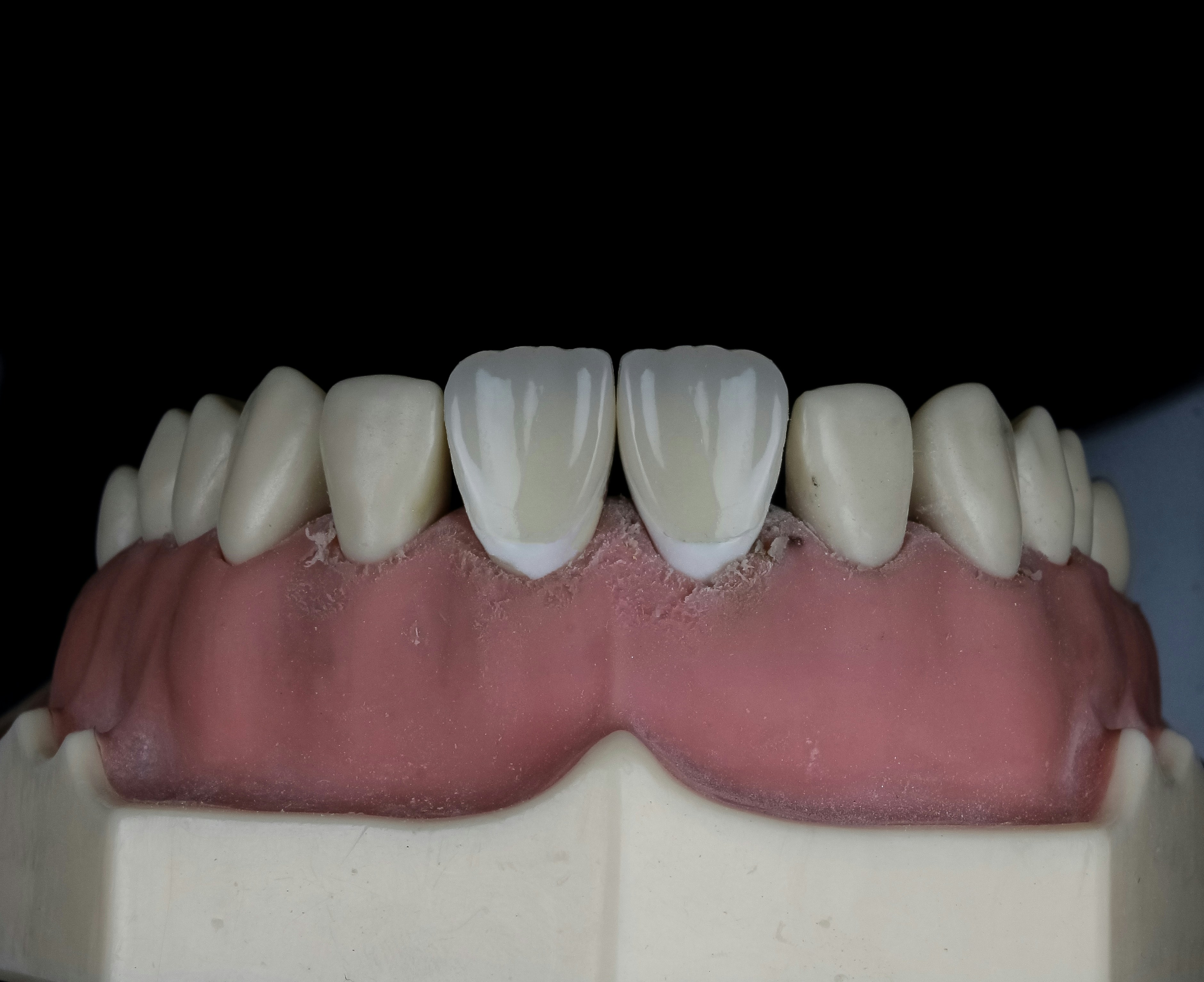
Introduction to Dental Restorations
Dental restorations play a crucial role in maintaining oral health and restoring the functionality and aesthetics of teeth. These procedures involve the repair or replacement of damaged, decayed, or missing teeth, ensuring that individuals can chew, speak, and smile effectively. Various types of dental restorations are employed depending on the specific dental issue at hand, with common examples including crowns, fillings, and bridges.
Crowns, often referred to as caps, encase the entire visible portion of a tooth and are typically used when a tooth has substantial decay or has undergone a root canal. They can be made from various materials, including porcelain, metal, or a combination of both, allowing for aesthetic and durable options. Fillings, on the other hand, are used to restore cavities caused by decay. Materials used for fillings range from amalgam (a mixture of metals) to composite resins, which are popular for their tooth-like appearance. Bridges provide a solution for missing teeth by anchoring artificial teeth to adjacent healthy ones, effectively bridging the gap.
The significance of these restorative procedures cannot be overstated, as they not only enhance the functionality of teeth but also improve the overall appearance of smiles. However, it is essential to be aware of the possibility of failure associated with these dental interventions. Factors such as improper placement, material degradation, and personal dental hygiene can contribute to restoration failures. Understanding these potential challenges is vital for both dental professionals and patients alike, as it sets the stage for further exploration into the causes and consequences of restoration failures.
Common Causes of Dental Restoration Failures
Dental restorations, while designed to last, often encounter failures that can be attributed to various factors. Understanding these contributing elements is vital for both patients and dental professionals to enhance the longevity of restorative work. One major category of causes revolves around patient-related factors. These include poor oral hygiene practices, which can lead to plaque accumulation and periodontal diseases, significantly compromising restoration integrity. Moreover, dietary habits such as excessive sugar intake can accelerate decay around restorations, ultimately causing them to fail. Individual health conditions, such as diabetes or autoimmune disorders, can also impact healing and maintenance of dental restorations, highlighting the necessity for personalized treatment plans.
On the other hand, dentist-related factors also play a critical role in the occurrence of dental restoration failures. Improper technique during the restoration process, such as inadequate bonding, may lead to restoration fractures or loosening. The choice of materials is equally crucial; substandard or incorrect materials may not withstand the oral environment, leading to premature deterioration. Additionally, a lack of follow-up care, which includes routine check-ups and the timely addressing of arising issues, can further exacerbate potential problems, allowing small issues to escalate into larger failures.
External influences cannot be overlooked when considering the reasons for dental restoration failures. Stress and trauma can result in increased clenching and grinding of teeth, exerting excessive force on restorations. Such mechanical stress can lead to cracking or displacement of dental materials. Furthermore, biting forces that exceed the material’s tolerances can contribute significantly to restorative failure. Understanding these multifaceted causes is essential for enhancing the success rates of dental restorations and ensuring long-term patient satisfaction.
Signs and Symptoms of Restoration Failure
Identifying the signs and symptoms of dental restoration failure is crucial for maintaining oral health. One of the most prevalent indicators is pain, which can manifest as a sharp or lingering discomfort around the treated area. This discomfort may be triggered by temperature changes or during chewing, suggesting that the restoration is no longer providing adequate protection for the tooth.
Sensitivity is another common symptom associated with failed restorations. Patients may notice an increased sensitivity to hot or cold stimuli, which can indicate that the underlying tooth has been exposed due to a compromised seal or leakage around the restoration. This situation can lead to further complications if left unaddressed, and thus, should prompt individuals to seek dental evaluation.
Visible signs such as cracks, fractures, or wear on the restoration itself are also key indicators of failure. These issues can lead to rough edges that may irritate the gums or become prone to further fractures. Additionally, a loosening of the restoration can occur, often presenting as a feeling of movement or instability in the dental work. This can lead to discomfort and expose the underlying tooth structure to decay and other complications.
Lastly, changes in the appearance of the tooth can signal that a restoration has failed. Discoloration, darkening, or uneven surfaces might suggest that there is deterioration in the dental material or a failure to bond properly with the tooth. Patients should perform regular self-assessments of their dental restorations and be aware of these changes. Recognizing these signs early can play a significant role in determining the necessary steps for treatment and ensuring optimal oral health.
Preventive Measures and Solutions
Dental restoration failures can significantly impact individuals’ oral health and quality of life. Thus, implementing preventive measures is crucial in minimizing the risk of these failures. Regular dental check-ups play a vital role in monitoring the condition of existing restorations and addressing any potential issues before they escalate. Dentists can identify early signs of wear, fracture, or decay surrounding restorations, allowing for timely intervention.
In conjunction with regular visits to the dentist, proper oral hygiene practices are essential. Patients should adopt a robust oral care routine that includes brushing twice daily with fluoride toothpaste and flossing at least once a day. These habits help to remove plaque and food particles, reducing the likelihood of issues that can compromise restorations. Furthermore, individuals should consider using antimicrobial mouthwashes to enhance their oral hygiene regimen, thus preventing gum disease and secondary decay around restorations.
Lifestyle adjustments also contribute to the longevity of dental restorations. A balanced diet rich in essential nutrients can support oral health, while limiting the intake of sugary and acidic foods can reduce the risk of decay. Additionally, individuals who grind their teeth, also known as bruxism, should seek protective solutions such as custom mouthguards to mitigate stress on restorations.
In the event of a restoration failure, prompt action is paramount. Patients should communicate openly with their dentist about any discomfort or concerns regarding their dental work. Solutions may include repairing the failed restoration, replacing it altogether, or exploring advanced options such as implant therapy if the surrounding conditions warrant it. Adequate communication between patients and dentists can significantly enhance treatment outcomes, ensuring that individuals receive the tailored care needed to address their specific situations.
Yemen Digital Dentistry
Introduction to Digital Dentistry
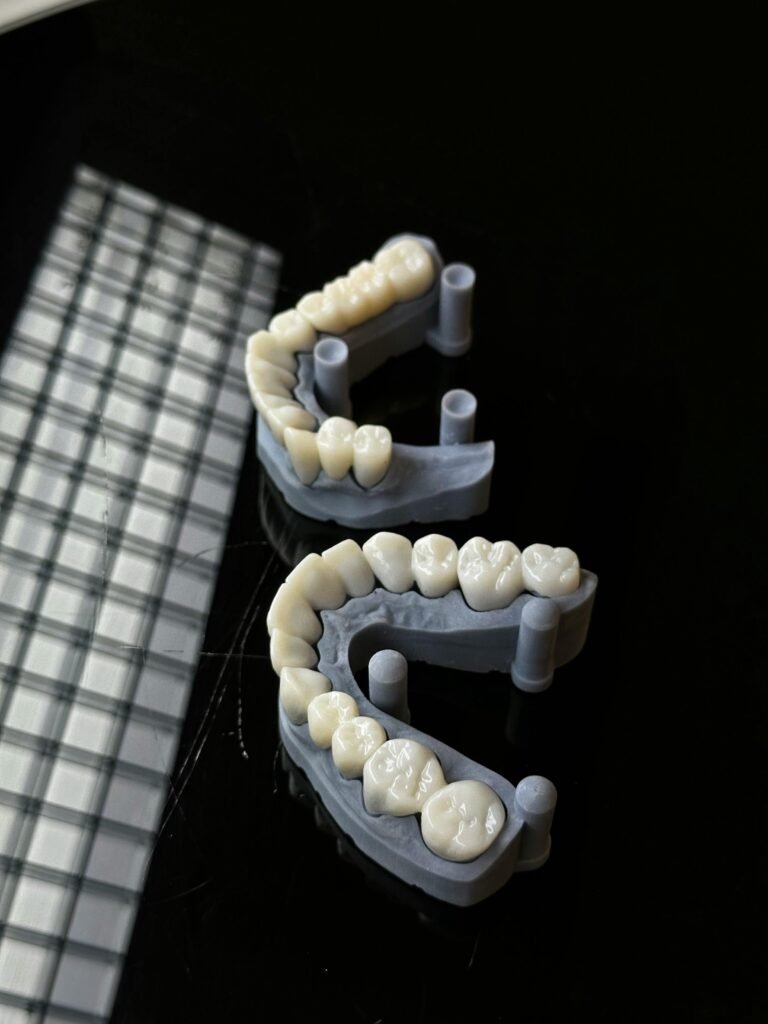
The field of dentistry has undergone significant transformation over the past two decades, evolving into what is now widely recognized as digital dentistry. This progress has fundamentally changed how dental professionals conduct their practices, enhancing efficiency, accuracy, and the overall patient experience. Digital dentistry encompasses a range of advanced technologies, including computer-aided design and manufacturing (CAD/CAM), intraoral scanners, digital radiography, and 3D printing, which are reshaping clinical workflows and diagnostics.
Initially, traditional methods dominated the dental landscape, often leading to lengthy processes and limitations in precision. However, with the advent of digital technologies, practitioners have been able to streamline their operations, leading to faster and more effective treatment options for patients. CAD/CAM systems, for example, allow for the design and fabrication of dental restorations in a single appointment, reducing the need for temporary solutions and multiple visits. This innovation not only shortens waiting times but also enhances the quality of the restoration through improved accuracy.
Intraoral scanners have revolutionized dental impressions, providing a more comfortable experience for patients and increasing the reliability of results. Digital radiography, on the other hand, has significantly reduced radiation exposure and improved diagnostic capabilities through enhanced image clarity. Furthermore, the implementation of 3D printing has enabled the rapid production of dental models and prosthetic devices, paving the way for complex procedures to be performed with unprecedented precision.
These advancements in digital dentistry are not merely technical improvements; they symbolize a paradigm shift in the approach to patient care. By harnessing technology, dental professionals can deliver more personalized and efficient services, thereby enhancing patient satisfaction and treatment outcomes. As Yemen begins to integrate these digital advancements, the potential for improved dental practices and patient experiences grows exponentially.
Accuracy and Precision in Treatment
The advent of digital dentistry has significantly transformed the landscape of dental care, especially in enhancing the accuracy and precision of treatments. Traditional dental impressions are often fraught with common distortions that can lead to complications in the fitting of restorations. Digital impressions, utilizing intraoral scanners, provide a more accurate representation of the patient’s oral cavity. By eliminating the variables associated with conventional methods, such as material shrinkage and user technique, digital impressions result in highly precise models that reflect the true anatomy of the teeth and gums.
Furthermore, Computer-Aided Design and Computer-Aided Manufacturing (CAD/CAM) systems have revolutionized the production of dental restorations. These advanced technologies allow dental practitioners to design and fabricate restorations with remarkable accuracy. The CAD system offers a sophisticated platform for customizing restorations to meet individual patient needs, ensuring a snug fit and excellent esthetics. Research indicates that restorations made using CAD/CAM techniques show a higher level of precision when compared to those created through traditional methodologies, thus contributing to long-term success and patient satisfaction.
One noteworthy case study involved a dental clinic in Yemen that adopted digital dentistry practices, specifically the integration of CAD/CAM systems. The clinic reported a marked improvement in the fit of crowns and bridges, which subsequently reduced the need for adjustments during the fitting process. Patients expressed high levels of satisfaction, noting less discomfort and faster turnaround times for their restorations. Such examples highlight the pivotal role that accuracy and precision play in not just enhancing outcomes but also fostering a positive patient experience. As digital technologies continue to evolve, their impact on accuracy in dental treatments will undoubtedly shape the future of dentistry in Yemen and beyond.
Efficiency and Improved Patient Experience
The integration of digital workflows in dental practices has revolutionized the efficiency of care delivery, particularly in Yemen. One of the most significant advancements is the introduction of chairside CAD/CAM systems, which facilitate same-day restorations. Traditionally, patients would require multiple visits to complete procedures such as crowns or veneers, leading to extended treatment timelines. However, with these digital innovations, dental professionals can design, fabricate, and deliver restorations in just one visit. This not only reduces the number of appointments necessary but also minimizes the disruption to patients’ daily lives, enhancing their overall experience.
Moreover, the automation of administrative tasks plays a crucial role in improving the efficiency of dental practices. Processes like scheduling, billing, and patient follow-up can be streamlined through the use of digital solutions, allowing dental staff to focus more on patient care rather than paperwork. This efficiency reduces waiting times and contributes to a more organized practice environment, which can alleviate the stress often associated with dental visits.
Enhanced communication is another vital aspect of digital dentistry that positively affects patient experience. Digital platforms can facilitate easier appointment scheduling and reminders, keeping patients informed and engaged. Such improvements foster trust between the dental professionals and their patients, as you can demonstrate commitment to quality care. When patients feel informed and empowered throughout the treatment process, their confidence in the dental practice increases significantly. Digital advancements not only promote efficiency but also augment patient satisfaction by ensuring a seamless experience, thereby solidifying the relationship between dentists and patients.
Sustainability and the Role of Yemen Digital Dentistry
As the world continues to pivot towards more sustainable practices, digital dentistry emerges as a crucial element in aligning dental healthcare in Yemen with these global standards. The transition to digital systems not only enhances efficiency but also significantly reduces material waste and operational costs in dental clinics and laboratories. By adopting cutting-edge technologies, dental professionals can minimize their ecological footprint while ensuring optimal patient care.
The integration of digital advancements, such as digital impression systems and computer-aided design/manufacturing (CAD/CAM) technologies, is transformative. These innovations streamline processes such as crown fabrication and orthodontic treatments, leading to less waste generated from traditional materials. Additionally, digital records eliminate the need for paper documentation and reduce physical storage, which positively impacts the environment. The reduced reliance on physical materials not only conserves natural resources but also poses less strain on waste management systems.
A significant contributor to this digital evolution in Yemen’s dental landscape is Yemen Digital Dentistry (YDD). This organization plays a pivotal role in initiating the digital transformation across various dental practices by providing access to modern technologies and extensive training programs for local practitioners. By empowering dentists with the necessary skills to utilize these digital innovations, YDD ensures that the future of dental healthcare in Yemen not only meets local needs but also aligns with international best practices.
Emphasizing the importance of sustainability in dental practices, YDD actively promotes environmental responsibility among dental professionals. By encouraging the adoption of digital systems, the organization aids in fostering a culture that values sustainability, efficiency, and quality patient care. By embracing these digital advancements, Yemen can advance its dental healthcare system, paving the way for a healthier, more sustainable future in line with global advancements.
Understanding Zirconia Crowns
Tooth preparation for zirconia crowns is essential for ensuring long-lasting dental restorations. This procedure acts as a pivotal foundation, influencing not only the restoration’s structural integrity but also its aesthetic appeal and the comfort provided to the patient. The method of preparation directly correlates with the effectiveness and success of the dental outcome.
Four Common Tooth Preparation Techniques
There are four predominant techniques used in the preparation of teeth for zirconia crowns:
- Feather Edge: This technique is quick and straightforward, but it poses a risk at the margins.
- Standard Chamfer: A reliable choice that offers balance between ease of preparation and durability.
- Shoulder: Known for its excellent aesthetics, this method requires extreme precision to achieve the desired results.
- Deep Chamfer: Often regarded as the gold standard for zirconia, this technique offers ideal thickness with smooth edges.
The Advantages of Deep Chamfer Preparation
The deep chamfer method stands out among its peers, providing exceptional strength and durability. It facilitates an even distribution of force across the restoration, reducing the likelihood of fractures and ensuring longevity. Drawing upon the expertise of Yemen Digital Dentistry, we observe that a thorough understanding of digital workflows and advanced CAD/CAM fabrication can further enhance the results achieved through proper tooth preparation.
Before deciding on your current preparation technique, reflect on how well it supports the long-term success of your patient’s smile. Each method has its advantages, but investing time in choosing the right one can significantly impact restoration outcomes.
Digital vs Conventional Dental Impressions: A Comprehensive Study
Introduction to Dental Impressions
Dental impressions serve a crucial role in various dental disciplines, namely prosthodontics, orthodontics, and restorative dentistry. They are utilized to create precise replicas of a patient’s teeth and oral tissues, which are essential for the fabrication of dental appliances such as crowns, bridges, and dentures. Accurate impressions help ensure that these appliances fit well and function optimally, thereby enhancing patient comfort and satisfaction.
The process of obtaining dental impressions has evolved significantly over the years. Traditionally, dental practitioners used conventional impression materials, which involved a paste that is placed in a tray and then applied to the patient’s mouth. This method, while effective, could sometimes be uncomfortable for patients and required additional time for setting and processing. Moreover, variations in material handling and technique could lead to inaccuracies in the final impressions, affecting the fit and function of the resulting restorations.
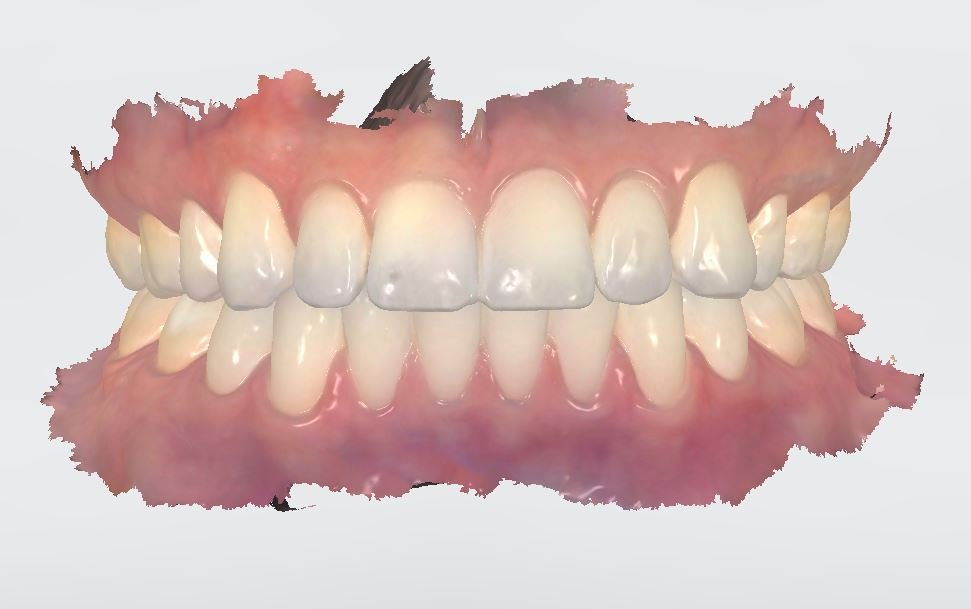
As technology advanced, so too did the methods of capturing dental impressions. The introduction of digital impressions marked a transformative shift in dentistry. Digital impression systems utilize intraoral scanners that take rapid, high-resolution images of the dental structures. This method not only provides increased accuracy but also streamlines the workflow by reducing the time required for both the clinician and the patient. Additionally, digital impressions eliminate many of the discomforts associated with conventional methods, thereby enhancing the overall patient experience.
Overall, the evolution of dental impression techniques from conventional approaches to modern digital methods signifies a critical advancement in dental care. This comprehensive study will delve deeper into the differences between these techniques, highlighting their respective advantages and limitations in contemporary dental practice.
Conventional Dental Impressions
Conventional dental impressions are integral to restorative and orthodontic dentistry, providing detailed molds of a patient’s dental anatomy. This traditional method employs various materials to capture an accurate replica of the teeth and surrounding structures. Commonly used materials include alginate, silicone, polyether, and plaster, each chosen based on specific clinical requirements and desired accuracy.
The most widely utilized impression material, alginate, is known for its ease of use and cost-effectiveness. It is particularly favored in preliminary impressions due to its ability to capture soft tissue detail effectively. Silicone materials, including addition-cured and condensation-cured options, are preferred for their dimensional stability and enhanced detail, making them ideal for final impressions. Polyether, while often more expensive, offers superior accuracy and hydrophilicity, making it suitable for more intricate procedures. Plaster is less common but can still serve specific cases where rigidity is required.
The technique for capturing a conventional dental impression typically follows a structured approach. First, the chosen impression material is mixed according to the manufacturer’s instructions. The dentist then loads the material into an impression tray, which is subsequently placed in the patient’s mouth, ensuring full coverage of the dental arch. After the material sets, the tray is carefully removed, revealing a replica of the teeth and soft tissues.
One of the primary advantages of conventional impression methods is their low cost and ease of use, making them accessible to a wide range of dental practitioners. Moreover, they have been in practice for decades, allowing practitioners to develop familiarity and expertise with these techniques. However, conventional impressions do have limitations, including the risk of bubbles or distortion, which can compromise accuracy. Additionally, they may cause discomfort to patients and require time for processing and storage of physical models, potentially delaying treatment. These factors highlight the importance of understanding both the advantages and disadvantages of conventional dental impressions in contemporary practice.
Digital Dental Impressions
Digital dental impressions represent a significant advancement in the field of dentistry, offering a modern alternative to conventional techniques. Utilizing intraoral scanners, this method involves capturing detailed 3D images of a patient’s teeth and oral tissues. These scanners employ advanced optical technology to capture a series of images that are then processed by specialized software to create an accurate digital model. The procedure begins with ensuring that the intraoral scanner is clean and properly calibrated, followed by the systematic scanning of the dental arch. This scanning process is quick and comfortable for patients, eliminating the use of traditional impression materials that can be unpleasant and time-consuming.
The integration of CAD/CAM (Computer-Aided Design/Computer-Aided Manufacturing) technology further enhances the utility of digital impressions. After capturing the 3D scan, dental professionals can use CAD software to design restorations, ensuring a precise fit for crowns, bridges, or aligners. One of the most notable advantages of digital dental impressions is their high accuracy; the technology significantly reduces the risk of human error and allows for immediate visualization of the collected data. Furthermore, the digital files can be securely stored and easily shared, enhancing collaboration among dental professionals.
Despite these benefits, there are certain limitations to consider. The initial investment for digital impression systems can be substantial, which may deter some practices from transitioning to this technology. Additionally, practitioners and staff must undergo specialized training to effectively use these systems, which could pose a temporary setback in terms of efficiency. Overall, the adoption of digital dental impressions is reshaping the landscape of dental practices, balancing the benefits of precision and patient comfort against the challenges of cost and training.
Comparative Analysis of Impressions
The use of dental impressions is integral to various dental practices, serving as the foundation for the fabrication of crowns, bridges, and other prosthetic devices. A comparative analysis of conventional and digital dental impressions reveals key differences across multiple facets, including accuracy, patient comfort, time efficiency, potential errors, and storage requirements.
Conventional impressions typically involve the use of a viscous material that is placed within a tray and positioned in the patient’s mouth. Although this method has been widely used for decades, it can foster discomfort due to the bulkiness and the extended duration for which the material must remain in the mouth. In contrast, digital impressions utilize an intraoral scanner that captures the necessary data through a series of images. This method generally provides a more comfortable experience for the patient, as it is non-invasive and faster, often reducing the time spent in the dental chair.
In terms of accuracy, digital impressions often outperform conventional methods. The digital approach minimizes human error and allows for enhanced precision in capturing the contours of teeth and surrounding structures. Conversely, conventional impressions can be affected by factors such as patient movement, improper handling, or distortion of the material during removal, which can lead to inaccuracies.
Time efficiency is another crucial area of comparison. Digital impressions can be processed and sent directly to laboratories, thereby streamlining the workflow. Traditional methods necessitate additional time for the laboratory to pour and set models, translating into longer wait times for patients. While there may be higher upfront costs associated with digital impression systems, they often yield savings in terms of material usage and labor in the long run.
Storage requirements vary significantly; digital impressions allow for easy digital storage and retrieval, reducing the need for physical storage space required for conventional impression materials. Additionally, potential errors during impression taking also lean towards digital methods, as they produce immediate, retrievable data that can be revised on-the-spot without the need for retaking impressions.
To facilitate this comparison, a side-by-side diagram detailing the workflows of both methods will be included, helping to visualize the steps from impression to crown fabrication. Understanding the benefits and drawbacks of each impression method provides valuable insights for dental professionals, guiding them in their selection of the most appropriate approach for their practice and patients.
The Future of Digital Dentistry is Here!
Yemen Digital Dentistry is excited to announce the release of its groundbreaking academic publication titled “The Future of Dentistry: A Comprehensive Academic Review of Digital Orthodontics and Its Impact on Clinical Practice.” In this age of digital transformation, dentistry is evolving beyond traditional methods into a realm driven by cutting-edge technologies, ensuring optimal results for patients.
In-Depth Insights into Digital Orthodontics
This comprehensive 30-page booklet delivers an evidence-based exploration of the most significant advancements in digital orthodontics. Within its pages, you will discover essential topics including the analysis of 3D imaging tools such as intraoral scanners, and the innovative computer-aided design and manufacturing (CAD/CAM) techniques. Furthermore, it discusses the remarkable contributions of 3D printing technology in creating precise and customized orthodontic models and appliances.
The Role of Technology in Modern Dentistry
The future of digital dentistry also encompasses the integration of artificial intelligence in diagnosing orthodontic conditions. This publication elaborates on how AI advances cephalometric analysis and enhances the prediction of treatment outcomes. Additionally, it highlights the significance of teledentistry and remote care, crucial for improving clinic efficiency and ensuring thorough patient follow-up.